




How Mazda Blind Spot Monitoring Assists in San Diego Freeway Traffic
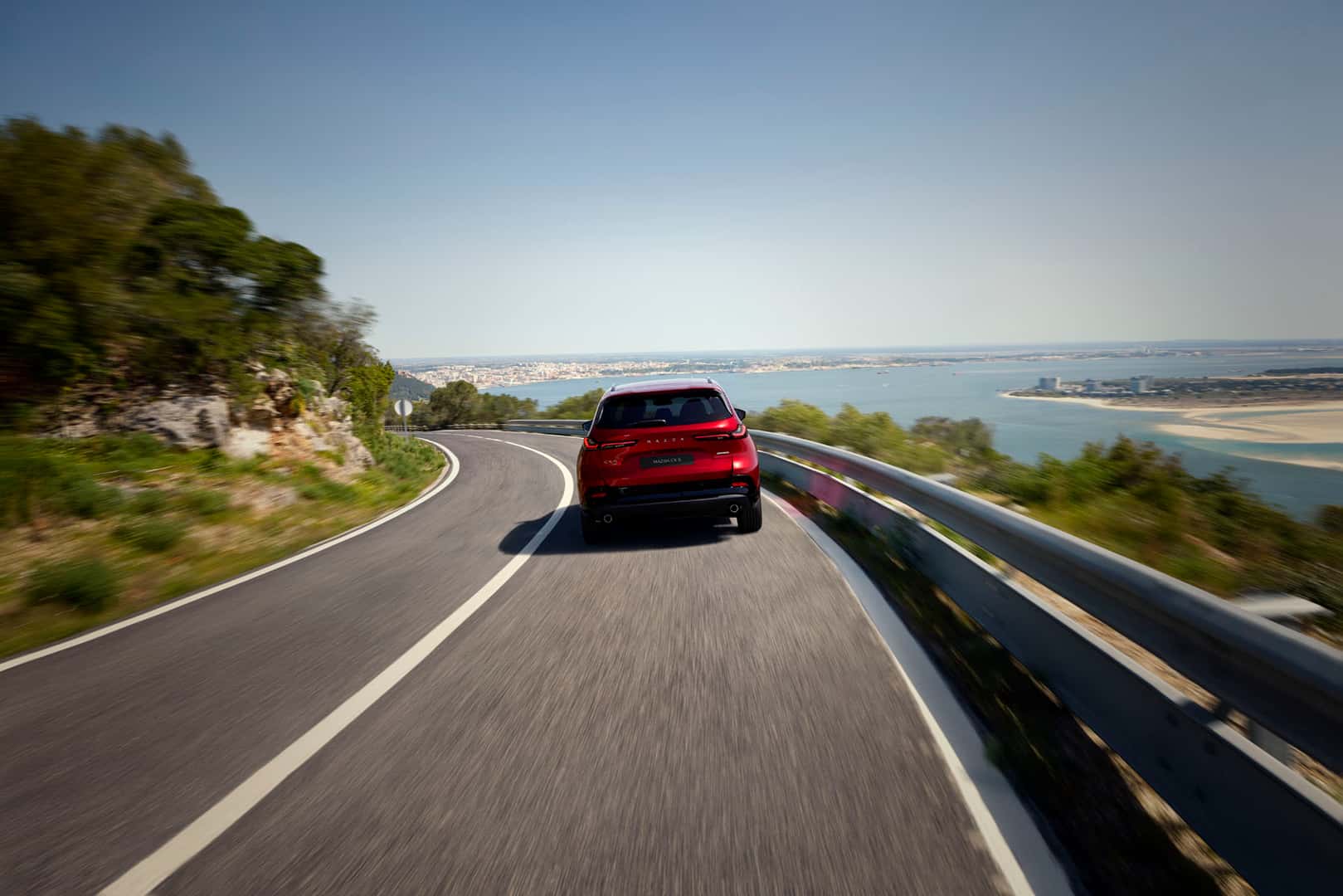
San Diego freeway traffic asks a lot of drivers. Whether you are merging onto I-5, navigating changing speeds on I-805, or moving through busy lanes near Kearny Mesa, staying aware of nearby vehicles matters. At Hello Mazda of San Diego, part of Hello Auto Group, we help local drivers explore Mazda safety technology that supports confident, attentive driving without replacing the person behind the wheel.
Key Takeaways
- Mazda Blind Spot Monitoring helps detect vehicles approaching from the rear in adjacent lanes.
- A visual blind spot alert can appear in the appropriate side mirror when another vehicle is detected.
- Signaling toward an occupied adjacent lane can trigger an added audible warning.
- Blind spot monitoring is a driver-awareness tool, not a substitute for mirrors, shoulder checks, or safe lane-change decisions.
- Mazda models such as the Mazda3, CX-30, CX-5, CX-50, CX-70, and CX-90 offer advanced Mazda safety features, with equipment varying by model and trim.
How Does Mazda Blind Spot Monitoring Work on the Freeway?
Mazda Blind Spot Monitoring, often called BSM, is part of the broader i-Activsense collection of driver-assistance technologies available across much of the Mazda lineup. Its purpose is straightforward: help you notice vehicles that may be difficult to see in the areas beside and behind your Mazda when you are preparing to change lanes.
Using rear-mounted radar sensors, the system monitors traffic approaching from behind in the lanes next to your vehicle. When it detects a vehicle in a monitored adjacent lane, a warning light illuminates in the corresponding side mirror. That visual signal is designed to give you a timely adjacent lane warning before you begin moving over.
If you activate your turn signal toward the side where a vehicle has been detected, Mazda Blind Spot Monitoring can provide an additional alert, which may include a warning sound and display notification depending on the Mazda model and configuration. This extra layer of lane change assistance can be especially useful when traffic is moving quickly or when your attention is divided among merging vehicles, navigation directions, and changing freeway conditions.
For San Diego commuters, that assistance can be meaningful during a crowded morning drive from Chula Vista toward downtown or an afternoon trip through Clairemont and National City. Freeways often require quick but careful lane decisions. BSM helps add information to the driving task, so you can make those decisions with greater awareness.
What Does It Do in Heavy Traffic?
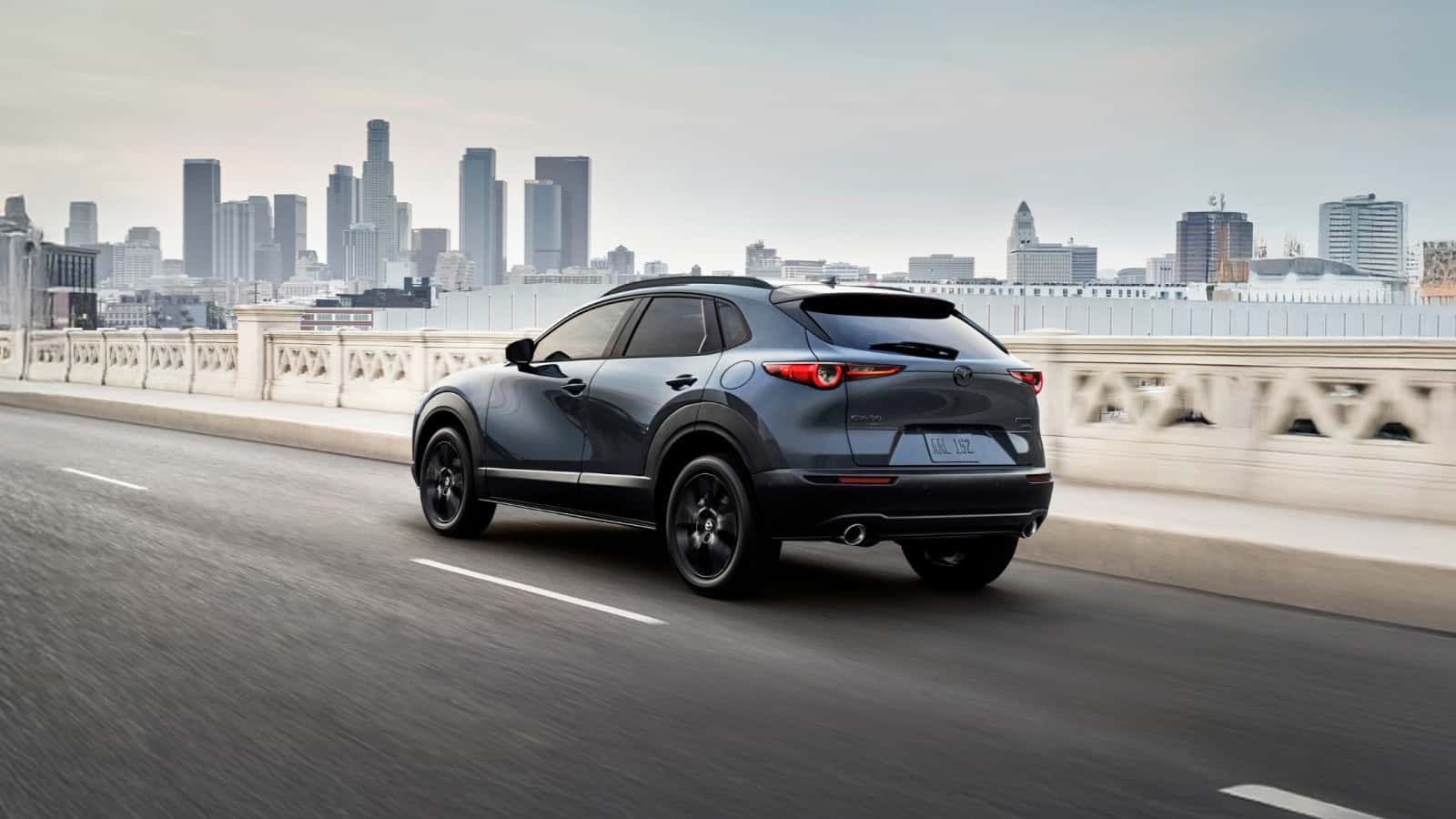
In heavy traffic, nearby vehicles may remain alongside your Mazda for longer stretches of road. A sedan can linger just behind your rear door, an SUV can pace you in the next lane, or a motorcycle may approach from the rear while traffic speeds begin to change. These are exactly the situations where checking mirrors alone may not always give you the complete picture.
A blind spot alert serves as a helpful reminder to pause before changing lanes. In practical terms, if the warning indicator is illuminated in the mirror, it tells you that the adjacent lane may not be clear for a lane change. Rather than treating that signal as an automatic command, use it as a cue to continue your normal safety routine.
That routine should include:
- Checking your rearview and side mirrors.
- Looking over your shoulder to inspect the blind spot directly.
- Maintaining a safe following distance and avoiding abrupt steering inputs.
- Confirming there is enough space to merge smoothly.
- Using your turn signal early to communicate your intentions to other drivers.
For example, imagine you are driving a Mazda CX-50 north on I-15 near El Cajon. You see an opening in the lane to your left, but the mirror indicator is illuminated. Another vehicle may be approaching quickly from behind, even if it has not yet appeared clearly in your mirror. Waiting for that vehicle to pass, then checking your mirrors and blind spot again, can help you make a more informed lane-change decision.
When Should You Still Check Your Mirrors?
Always. Blind Spot Monitoring is designed to assist the driver, not take over the driver’s responsibility to observe traffic and operate the vehicle safely.
Even when BSM is active, you should check mirrors and look over your shoulder before every lane change, freeway merge, or turn. Your Mazda’s sensors have defined detection zones and operating conditions, and no system can detect every possible vehicle, object, or road situation. A vehicle may enter the area rapidly, a motorcycle may be positioned differently than expected, or environmental conditions may affect detection.
Drivers should also keep in mind that radar-based systems can be affected by factors such as:
- Heavy rain, road spray, mud, snow, or dirt covering the rear bumper areas where sensors are located.
- Damage to the rear bumper or changes made near sensor locations.
- Closely spaced barriers, guardrails, or other roadside objects.
- Vehicles moving at very different speeds or entering the detection area suddenly.
- Towing or carrying equipment that could interfere with the system.
This is why strong driver awareness remains central to freeway traffic safety. The technology can be highly useful, but the best approach is to treat it as an added set of eyes, not a replacement for your own.
Which Mazda Models Offer Blind Spot Monitoring?
Mazda offers Blind Spot Monitoring across a range of current vehicles, although availability and related features can vary by model year and trim level. When you shop Mazda cars for sale in San Diego, it is important to review the equipment list for the specific vehicle you are considering.
The Mazda3 is a practical option for drivers who want a responsive compact sedan or hatchback for daily commuting. The Mazda CX-30 provides a versatile small SUV alternative with an elevated seating position and useful city-friendly size. Both can appeal to drivers navigating tight parking areas, crowded surface streets, and busy freeway interchanges.
For families and drivers needing more space, the Mazda CX-5, Mazda CX-50, Mazda CX-70, and Mazda CX-90 bring Mazda safety technology into larger SUV formats. The CX-5 is a popular choice for everyday versatility, while the CX-50 combines capable SUV utility with an engaging on-road feel. The CX-70 and CX-90 offer more room for passengers, cargo, and longer Southern California trips.
Many of these models pair blind spot monitoring with additional available or standard driver-assistance features, depending on configuration. These can include Rear Cross Traffic Alert, radar cruise control, lane-related alerts, and more. Together, these technologies are designed to support awareness in different driving situations, from freeway traffic to parking lots.
At Hello Mazda of San Diego, we can help you compare current Mazda models, trims, and available safety features side by side. Our team knows that local shoppers often want the best cars for commuting in San Diego, but the right choice also depends on your space needs, driving habits, and preferred technology. You can browse our current selection, compare vehicles in stock, or schedule a test drive to experience these features firsthand.
Can Blind Spot Monitoring Help With Merging?
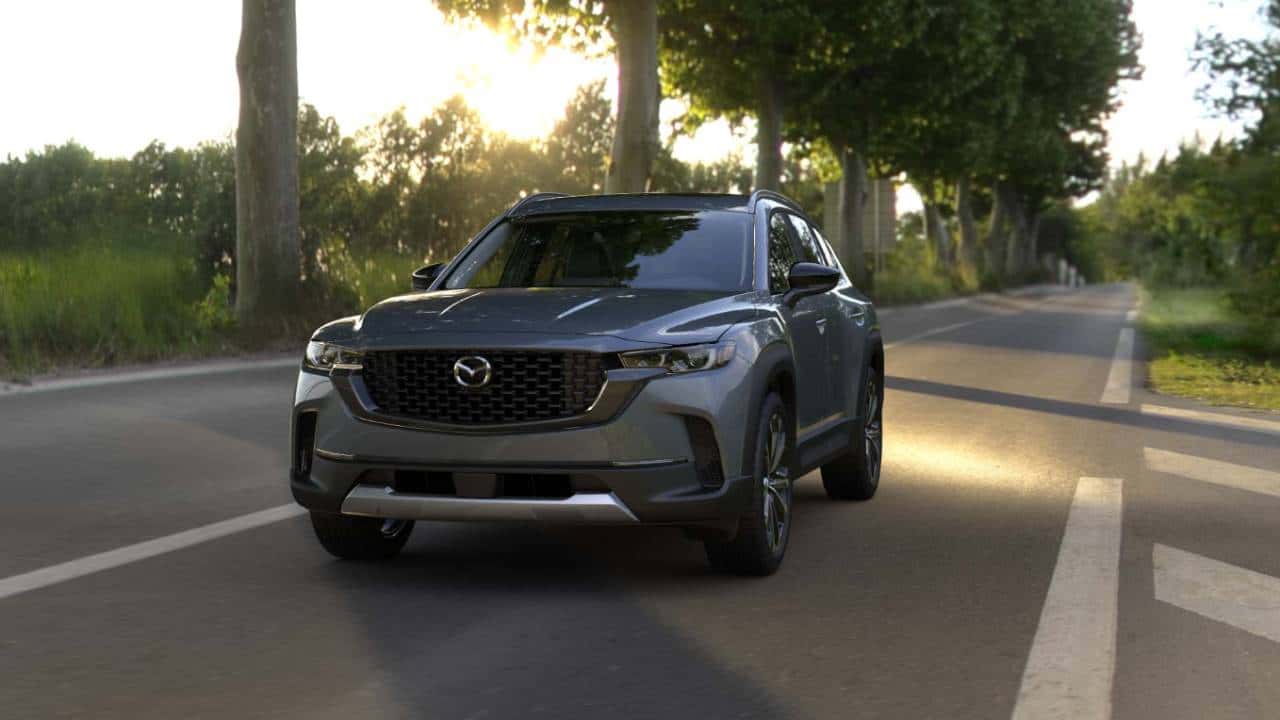
Yes, it can assist with merging by helping notify you when a vehicle is approaching in an adjacent lane. That is helpful when entering I-5, I-8, SR-52, or I-805, where traffic gaps can change quickly.
However, a safe merge still requires the driver to judge traffic speed, available space, road conditions, and the behavior of surrounding vehicles. Use your turn signal, check your mirrors, verify the blind spot with a shoulder check, and merge only when there is a safe opening.
Mazda Blind Spot Monitoring adds useful support to that process. It may help draw your attention to a vehicle that is approaching from behind, including one that could be difficult to see while you are focused ahead on the roadway. For a closer look at how Mazda vehicles perform in broader safety testing and evaluations, explore our resource on understanding Mazda safety evaluations.
Find a Mazda in San Diego
Modern Mazda safety features are designed to complement alert, responsible driving, especially on the busy freeways that connect San Diego, Kearny Mesa, Chula Vista, National City, Clairemont, and El Cajon. Mazda Blind Spot Monitoring can deliver valuable lane-change awareness, but mirrors, shoulder checks, and sound judgment remain essential every time you merge or change lanes.
Visit Hello Mazda of San Diego, part of Hello Auto Group, to explore available Mazda models on our lot, compare i-Activsense features, and schedule a test drive. Our team can help you find a Mazda that fits your daily commute, weekend plans, and confidence behind the wheel.
*Penned by AI, polished by humans
0 comment(s) so far on How Mazda Blind Spot Monitoring Assists in San Diego Freeway Traffic